By Mukul
Posted on Jan 05, 2026
Share
_______BM India at the 60th IHGF Delhi Fair (Autumn) 2025: Key Buyer Insights and Market Takeaways
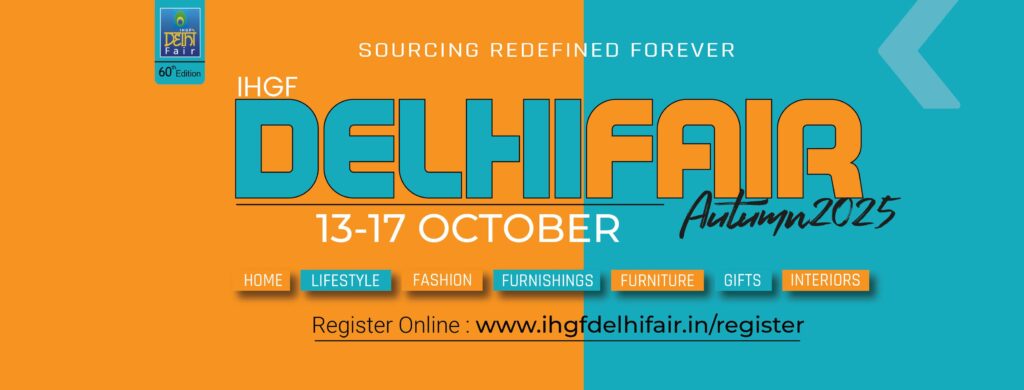
The exhibition halls at India Expo Centre & Mart buzzed with that particular energy that only a major sourcing event can generate. Buyers with catalogues tucked under their arms moved purposefully from booth to booth, pausing to examine finishes, asking pointed questions about lead times, and occasionally pulling out their phones to photograph a piece that caught their eye. This was the 60th IHGF Delhi Fair (Autumn) 2025, held from October 13 to 17, and for us at BM India, it marked another valuable chapter in understanding what global buyers are genuinely looking for in home décor.
Trade fairs like IHGF remain essential touchpoints in an increasingly digital sourcing landscape not because buyers can't discover suppliers online, but because certain questions can only be answered face-to-face. The weight of a metal tray, the true depth of an antique finish, the consistency of craftsmanship across a production run - these are things you need to hold, turn over, and discuss in person.
Why IHGF Delhi Fair Still Matters for Global Home Décor Buyers
The 60th edition attracted buyers from over 100 nations, and walking the floor, you could sense why this gathering continues to hold relevance. Digital tools have transformed how buyers research and connect with suppliers, yet they haven't replaced the value of standing in front of a finished product and evaluating it with your own hands.
Buyers consistently told us they came to IHGF to validate what they'd seen online, to assess craftsmanship quality that photographs simply can't capture, and to have real-time conversations about pricing structures, minimum order quantities, and production scalability. One European retailer mentioned that she'd shortlisted suppliers online but needed to "see the rust finish in person because sometimes photos are not enough." She wasn't wrong.
For us, IHGF serves as a pulse-check for upcoming buying seasons. The questions buyers ask, the products they gravitate toward, and the finishes they photograph all signal what will likely appear in European boutiques, Middle Eastern department stores, and increasingly, American home décor retailers over the next six to twelve months.
BM India's Experience: Building Relationships Beyond the Transaction
Our booth saw a steady stream of visitors throughout the five days. Some were longtime partners checking in on new developments, others were first-time inquiries curious about our metal craftsmanship capabilities. What struck us most wasn't the volume of interactions, but their depth.
These weren't surface-level conversations. Buyers wanted to understand our production capacity, our approach to maintaining consistency across large orders, and how we handle design customization. One buyer spent nearly forty minutes discussing our finishing processes, not just asking what we offer, but probing into how we ensure color consistency batch to batch.
Product Categories That Drew Buyer Attention
Walking potential clients through our range, we noticed clear patterns in what prompted them to pause, pick something up, and start asking questions.
Tableware and tabletop décor generated significant interest. Candle stands in various heights, serving trays with intricate detailing, decorative bowls with hammered finishes, and cake stands that straddled the line between functional and sculptural, these pieces consistently sparked conversation.
Our lighting and interior accents drew a different kind of attention. Lanterns with geometric cutouts, wall-mounted accent pieces, and metal planters that could transition between indoor and outdoor use appealed to buyers looking for statement items without overwhelming scale.
The small furniture category—primarily stools and side tables attracted buyers thinking about compact living solutions. These weren't requests for full furniture lines, but rather for versatile pieces that could function as plant stands, occasional seating, or bedside tables. The focus was on utility, not ornamentation.
Finishes & Aesthetics Buyers Responded To
We've always believed that finish quality distinguishes mediocre metalwork from exceptional metalwork. The conversations at IHGF confirmed this.
Antique finishes—particularly gold antique and brass antique continued to show strong appeal, but with a notable shift. Buyers weren't looking for heavily distressed, overtly vintage aesthetics. They wanted subtlety: pieces that suggested age and character without announcing it. "Think heirloom, not relic," one British buyer clarified.
Rustic finishes generated enthusiastic responses. Our iron rust effect, zinc weathered look, and whitewash treatments aligned perfectly with the farmhouse and industrial aesthetics that remain commercially viable across multiple markets.
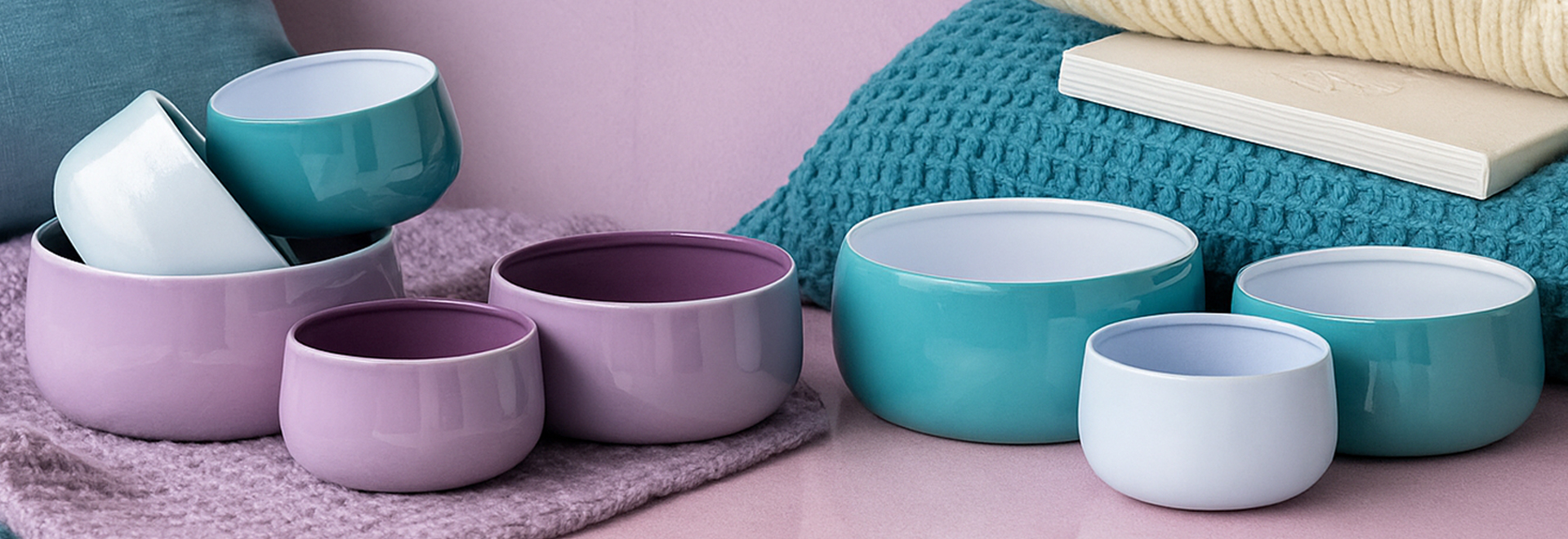
The surprise for us was the growing appreciation for ceramic-like metal finishes. We'd developed these as experimental pieces, but buyers repeatedly asked about them, intrigued by the visual softness combined with metal's durability.
Selective interest emerged around colorful matte finishes for accent pieces—deep teals, burnt oranges, muted terracottas. These weren't broad requests, but specific buyers building curated collections appreciated having bolder options for customers seeking pops of color.
Key Buyer Conversations at the Fair
Beyond specific products, the nature of buyer questions revealed their underlying concerns and priorities.
The most common question wasn't "How much does this cost?" but rather "How does this sell?" Buyers wanted to know about price-to-perceived-value ratios, how pieces performed in different retail environments, and what customer feedback we'd received. They were thinking in terms of inventory turns and sell-through rates, not just wholesale margins.
Repeatability and consistency came up constantly. Could we deliver the same finish quality across a 500-piece order? How did we handle quality control? What was our defect rate? These weren't abstract concerns—several buyers mentioned previous experiences with suppliers whose samples looked excellent but whose bulk production disappointed.
Several conversations shifted toward long-term sourcing partnerships rather than one-time orders. Buyers wanted to understand our capacity for developing exclusive ranges, our flexibility around design modifications, and our reliability during peak shipping seasons.
Market Signals Observed at IHGF Autumn 2025
Trade fairs reveal not just what buyers want now, but where the market is heading. Several patterns emerged that will likely shape our approach going forward.
There's a clear lean toward compact, versatile décor. Large statement pieces drew admiration but fewer serious inquiries. Buyers preferred items that could work in multiple room contexts, that traveled well, and that didn't demand specific interior styles.
Buyers favored proven forms with refreshed finishes over experimental designs. They wanted recognizable product types bowls, trays, candleholders but with updated surface treatments or subtle design tweaks. Innovation through finish rather than form seemed to resonate more than radical design departures.
We observed reduced appetite for highly experimental designs. Several buyers mentioned that during uncertain economic periods, their customers became more conservative in their purchasing. This didn't mean boring—it meant sophisticated restraint rather than bold experimentation.
Perhaps most significantly, buyers increasingly sought suppliers who combine design development with reliable execution. They didn't want to source design from one place and manufacturing from another. They wanted partners who could conceptualize collections, develop prototypes, refine based on feedback, and then deliver consistently at scale.
What IHGF Autumn 2025 Reinforced for BM India
Every trade fair offers lessons. This one validated several aspects of our approach while highlighting opportunities we need to pursue more aggressively.
Our strength in metal craftsmanship and intricate finishes remains our core differentiator. Buyers repeatedly commented on our finishing quality, often comparing it favorably to other exhibitors. This reinforced our decision to continually invest in our artisan training and finishing capabilities rather than competing primarily on price.
The continued relevance of tabletop décor and functional accents confirmed that we're focused on product categories with enduring commercial appeal. These aren't trend-driven segments that might evaporate in two seasons—they're foundational categories that buyers need to replenish regularly.
Conversations about bulk order consistency emphasized the importance of maintaining quality across production runs. Several buyers mentioned this as a pain point with other suppliers, which presented a competitive opportunity for us. Our quality control processes became a selling point, not just an operational necessity.
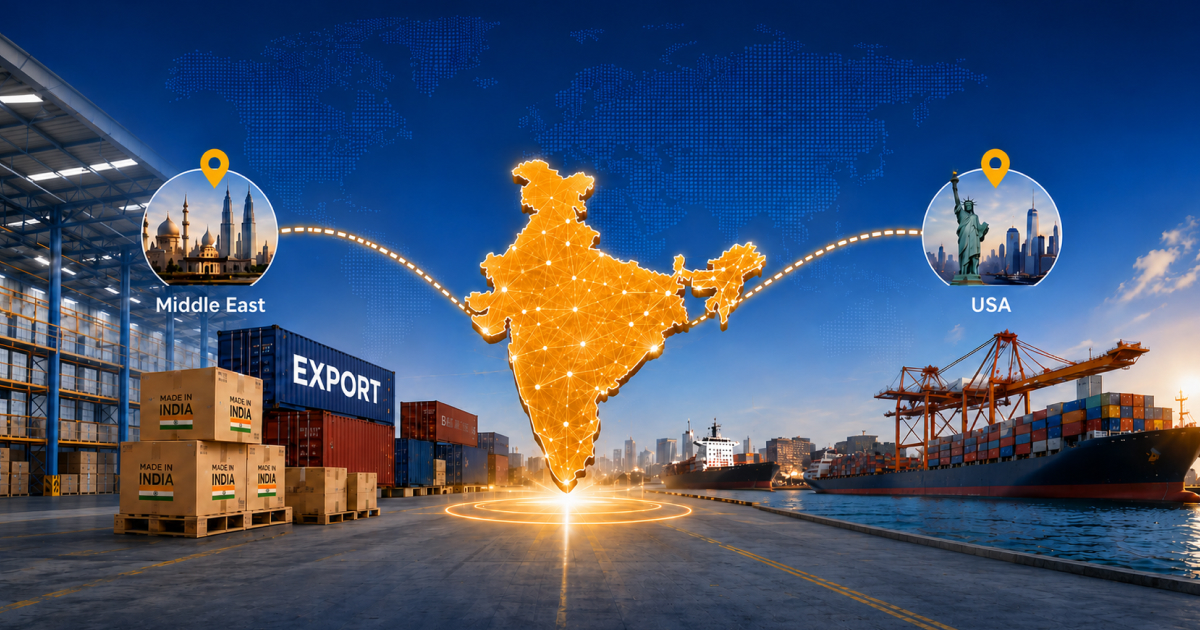
Finally, we saw clear opportunity in expanding our focus toward Europe, the USA, and Scandinavian markets. While we've traditionally served diverse regions, these markets showed particular interest in our design aesthetic and finishing capabilities. They also tend to value long-term supplier relationships over purely transactional interactions—which aligns perfectly with how we prefer to work.
From Trade Fairs to Digital Discovery
One recurring theme in our conversations was how buyer behavior is evolving in the relationship between trade fairs and online discovery.
Several buyers mentioned they'd researched us online before visiting our booth. They'd reviewed our product range, checked our certifications, and even looked for customer reviews and testimonials. By the time they reached us, they weren't starting from zero—they were validating, confirming, and deepening relationships that began digitally.
This evolution has implications for how we think about IHGF participation. The fair remains vital, but increasingly it functions as part of a longer buyer journey that starts online, moves to the trade floor for validation, and then continues through digital channels as relationships deepen and orders progress.
We're strengthening our online presence accordingly not as a replacement for trade fair participation, but as a complement to it. Better product photography that accurately represents finishes, detailed specifications that answer common questions, and transparent information about our capabilities and processes all help extend the conversations that begin at IHGF.
Some buyers even told us they used our website to prepare specific questions before meeting us in person. One mentioned, "I saw your ceramic-finish range online and wanted to understand how you achieve that effect." This kind of informed, focused interaction is far more productive than starting every conversation from scratch.
Looking Ahead
As we packed up on October 17th and watched the exhibition halls gradually empty, we reflected on what the five days had taught us. IHGF Delhi Fair (Autumn) 2025 reinforced that while sourcing channels are diversifying, the fundamentals remain unchanged: buyers want quality craftsmanship, consistent execution, transparent communication, and partners who understand that successful relationships benefit both sides.
The conversations we had, the questions buyers asked, and the products they gravitated toward will directly influence our collection development over the coming months. We'll lean harder into our finishing strengths, continue refining our tabletop and accent ranges, and pursue the opportunities we identified in European and North American markets.
For buyers who connected with us at IHGF and those discovering us online you can expect the same focus on quality, consistency, and transparent communication that has defined BM India for over two decades. We're not interested in transactional relationships. We're building partnerships where both sides grow together.
The 60th IHGF Delhi Fair reminded us why we do this work: not just to sell home décor, but to connect skilled Indian craftsmanship with global markets that genuinely value it. Every piece we create carries the marks of artisan hands and generations of metalworking knowledge. Trade fairs like IHGF ensure that the story doesn't get lost in the transaction—it becomes part of the conversation.
Share
_______