By Mukul
Posted on Mar 11, 2026
Share
_______The Shift from Decorative Products to "Functional Décor"
Introduction: Why Décor Must Do More Than Just Look Good
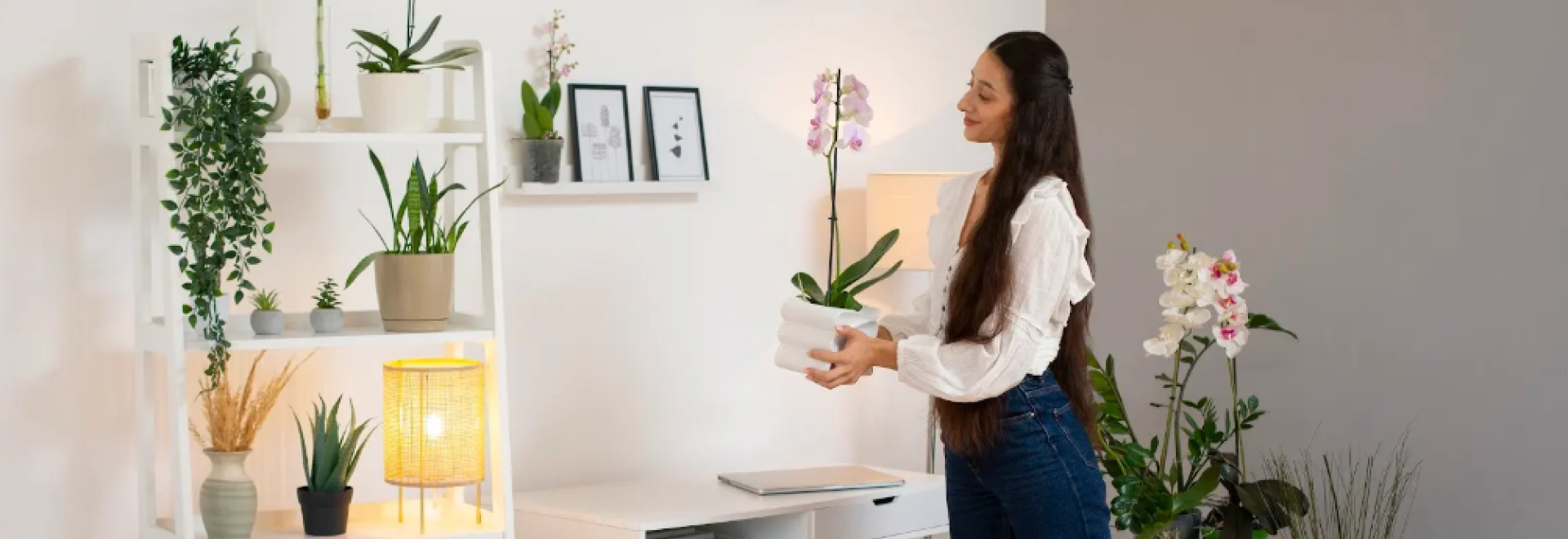
Walk into any home décor retail store today, and you'll notice something different from a decade ago. The purely decorative items that once dominated showrooms — the statement vases, ornamental figurines, and decorative bowls — are sharing shelf space with products that serve a purpose beyond aesthetics.
The question retailers and wholesalers are asking is simple but important: Why do customers now expect décor to do more than just look good?
The answer lies in a fundamental shift in how people live, spend, and value their home furnishings. Understanding this shift isn't just interesting — it's essential for anyone sourcing or selling home décor in today's market.
What Functional Décor Really Means Today
Functional décor represents a blend of beauty and utility. These are products that enhance a space visually while serving a practical everyday purpose.
Storage Solutions with Style: Think decorative baskets that organize living rooms, elegant boxes that hide clutter, or attractive bins that make closets more efficient.
Multi-Use Designs: Coffee tables with hidden storage compartments, wall mirrors with integrated hooks, or serving trays that double as decorative centerpieces.
Everyday Relevance: The key difference is that functional décor items are used regularly, not just displayed. They earn their place in a home through daily utility, not just visual appeal.
This shift represents a move away from visual drama for its own sake toward products that integrate seamlessly into daily life while still maintaining aesthetic appeal.
Why Consumer Preferences Are Changing
Several converging factors have accelerated this trend toward functional décor:
Smaller Living Spaces: Urban living increasingly means smaller apartments and homes. When space is limited, every item must justify its presence. Consumers can't afford to dedicate valuable square footage to purely decorative pieces that serve no practical purpose.
Practical Spending Behavior: Economic awareness has made consumers more thoughtful about purchases. They're asking, "Will I actually use this?" before buying. This shift has made functionality a selling point, not just a bonus feature.
Value-Driven Purchasing: Today's consumers define value differently. It's not just about the lowest price — it's about getting the most utility and longevity from each purchase. An item that's both beautiful and useful delivers better perceived value than something that only looks nice.
These aren't temporary trends. They represent fundamental changes in how people approach home furnishing decisions.
Categories Where Functional Décor Is Growing Fast
Certain product categories are leading this functional décor movement:
Storage Accents: Decorative baskets, stylish boxes, attractive hampers, and organizational containers that manage household clutter while enhancing room aesthetics.
Utility Furniture: Pieces like console tables with drawers, ottomans with hidden storage, or benches that provide both seating and organization.
Kitchen and Dining Décor: Attractive canisters that store ingredients, beautiful utensil holders, decorative cutting boards that serve dual purposes, and serving pieces that transition from oven to table to display.
Entryway and Organization Products: Coat hooks with artistic designs, key holders that make statements, shoe storage that looks intentional, and mail organizers that complement home décor.
These categories share a common thread: they solve real problems while maintaining visual appeal.
How Functional Décor Improves Sell-Through Rates
For retailers and wholesalers, functional décor offers compelling business advantages:
Higher Repeat Purchase Potential: When customers use a product daily and love it, they return to buy more for other rooms or as gifts. Decorative-only items rarely generate this kind of repeat business.
Lower Return Rates: Products with clear utility face fewer returns. Customers know exactly what they're getting and how they'll use it. The purchase decision is more confident, leading to fewer buyer's remorse returns.
Broader Audience Appeal: Functional items attract both design-focused shoppers and practical buyers. This expanded audience increases the potential customer base for each product, improving inventory turnover.
These factors directly impact profitability and inventory efficiency — critical metrics for any retail operation.
What Retail Buyers Should Look for When Sourcing Functional Décor
When evaluating functional décor products, buyers should prioritize:
Durability Standards: If an item will be used daily, it must withstand regular handling. Material quality, construction methods, and finish durability become critical evaluation criteria.
Load, Size, and Usage Clarity: Buyers need clear specifications. How much weight can that decorative basket hold? What are the exact dimensions? How should customers care for it? This information must be readily available for both retail staff and end customers.
Packaging and In-Store Communication: Product packaging should clearly communicate both the aesthetic appeal and functional benefits. In-store displays should demonstrate how items work in real living situations.
Suppliers who provide this level of detail make the buyer's job easier and reduce post-sale complications.
Designing Assortments That Balance Function and Aesthetics
The most successful functional décor doesn't sacrifice beauty for utility. Here's how to maintain that balance:
Avoiding Purely Utilitarian Designs: Just because something is functional doesn't mean it should look purely practical. The best functional décor items could stand on aesthetic merit alone — the functionality is an added benefit, not the primary selling point.
Maintaining Visual Cohesion: Product lines should work together aesthetically. A collection of functional items in complementary colors, materials, and styles allows customers to create cohesive looks throughout their homes.
The goal is creating products where customers think, "This is beautiful — and I can actually use it!" not "This is useful, I guess it looks okay."
Conclusion: The Future of Home Décor Retail
Functional décor isn't a passing trend — it's shaping the future of home décor retail.
As living spaces continue to evolve, as consumer spending remains value-focused, and as sustainability concerns make people more intentional about purchases, the demand for products that combine beauty with utility will only increase.
For retailers and wholesalers, this shift represents opportunity. Functional décor products typically see higher sell-through rates, generate more repeat business, and appeal to broader customer bases than purely decorative items.
The most successful home décor businesses will be those that recognize this shift and source products accordingly — items that delight the eye while serving a genuine purpose in daily life.
The question is no longer whether décor should be functional. The question is: how well does your product assortment reflect what today's consumers actually want?
Looking to source functional décor that balances aesthetics with utility? Connect with experienced manufacturers who understand this evolving market and can deliver products that meet both beauty and function standards.
Share
_______